

What Part Of A File Name Does Windows Use To Know Which Application To Open To Manage The File?
Lesson 3: Working with Files
/en/windowsbasics/navigating-windows/content/
Working with files
Understanding how to work with files and folders is an of import role of using your computer. Once you understand how files and binder piece of work, you'll use them all the time. In this lesson, nosotros'll show yous the absolute basics of working with files, including how to open files, move your files into folders, and delete files.
Watch the video below to learn more than about using files and folders in Windows.
What is a file?
At that place are many different types of files you can use. For example, Microsoft Discussion documents, digital photos, digital music, and digital videos are all types of files. Y'all might fifty-fifty think of a file as a digital version of a real-world thing you can interact with on your estimator. When yous utilize different applications, y'all'll often exist viewing, creating, or editing files.
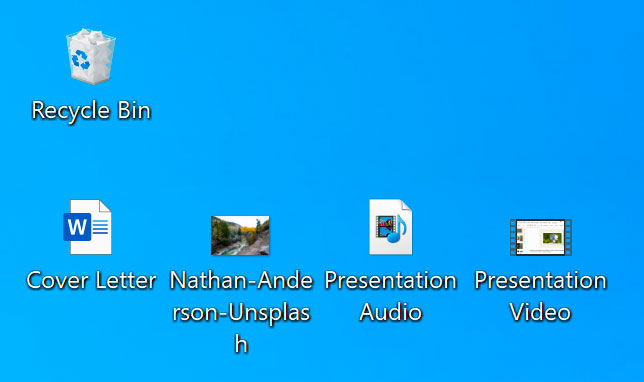
Files are usually represented by an icon. In the paradigm below, you can see a few different types of files below the Recycle Bin on the desktop.
What is a folder?
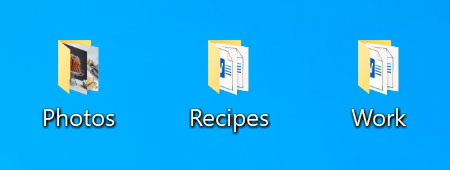
Windows uses folders to assistance you organize files. You can put files inside a folder, just like you would put documents inside a real folder. In the epitome beneath, you can see some folders on the desktop.
File Explorer
You can view and organize files and folders using a congenital-in application known as File Explorer (called Windows Explorer in Windows vii and earlier versions).
To open up File Explorer, click the File Explorer icon on the taskbar, or double-click any folder on your desktop. A new File Explorer window will announced. Now yous're ready to start working with your files and folders.
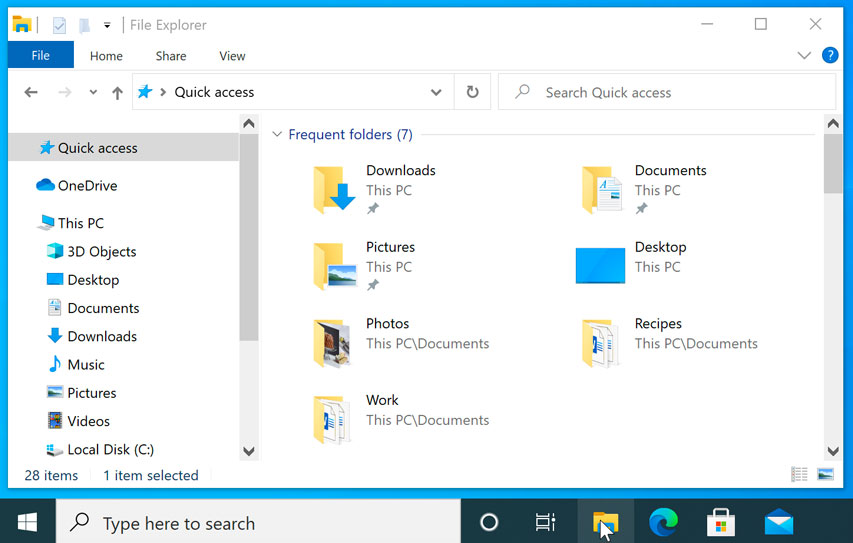
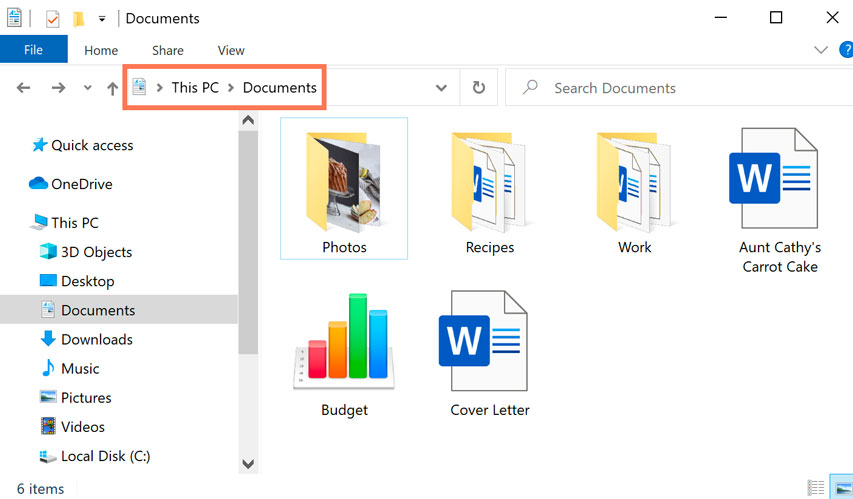
From File Explorer, double-click a folder to open it. You can then run into all of the files stored in that folder.
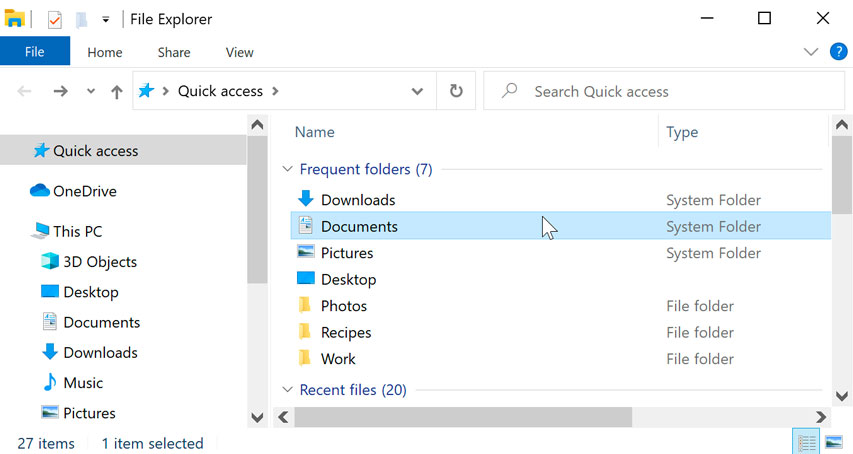
Notice that you can as well see the location of a binder in the address bar almost the top of the window.
To open a file:
There are two main ways to open up a file:
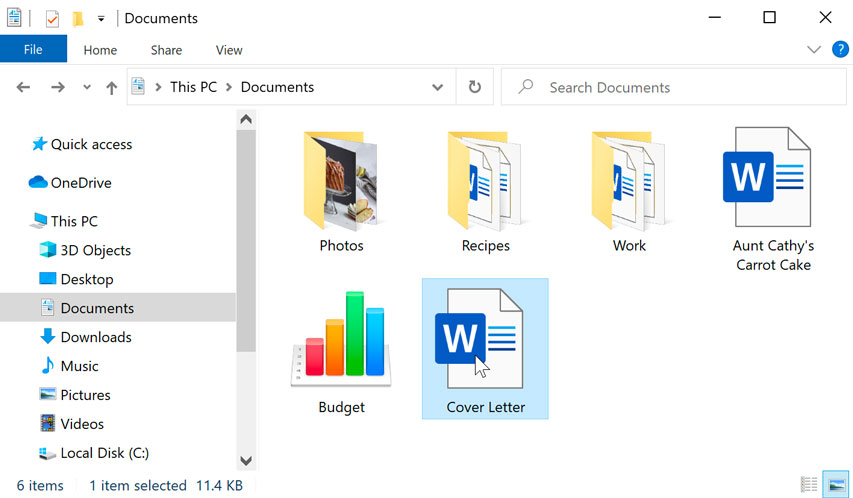
- Notice the file on your estimator and double-click it. This will open up the file in its default awarding. In our example, we'll open a Microsoft Discussion document (Embrace Letter.docx), which will open up in Microsoft Word.
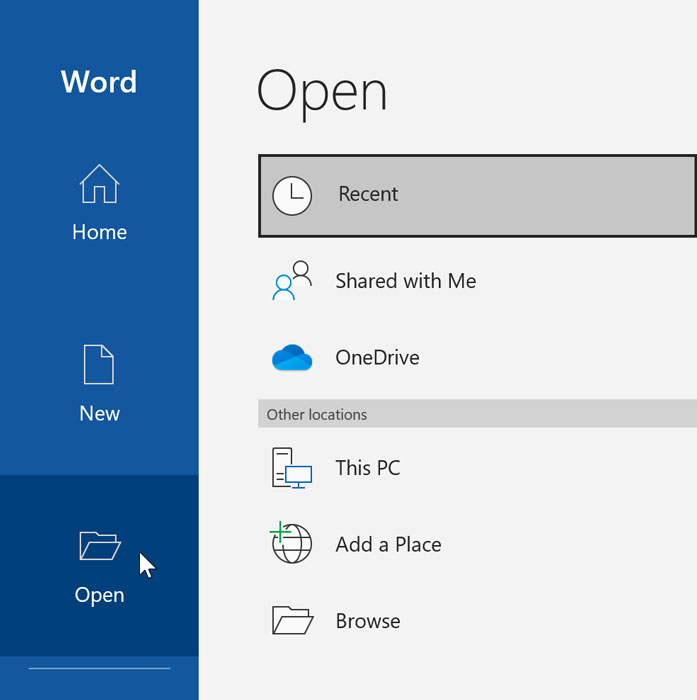
- Open the awarding, and then apply the application to open the file. Once the application is open, you tin can go to the File menu at the top of the window and select Open.
Moving and deleting files
As you lot begin using your reckoner, you will get-go to collect more than and more files, which tin brand information technology more hard to detect the files y'all need. Fortunately, Windows allows you to move files to different folders and delete files you no longer apply.
To move a file:
It's piece of cake to movement a file from one location to some other. For case, you might have a file on the desktop that you desire to movement to your Documents binder.
- Click and drag the file to the desired location.
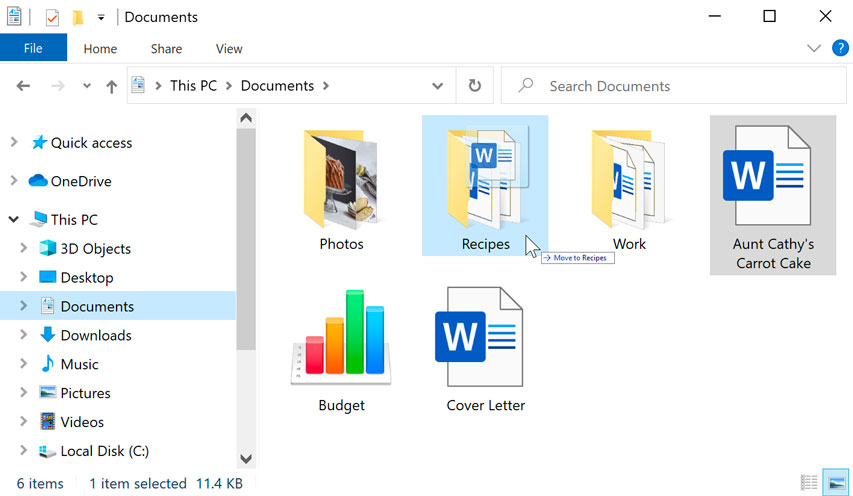
- Release the mouse. The file will appear in the new location. In this example, we have opened the folder to run across the file in its new location.
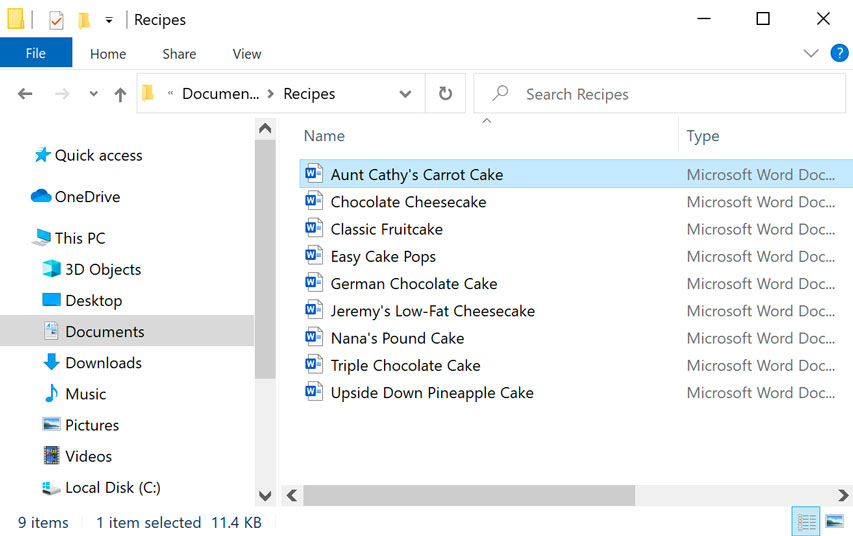
You lot can use this same technique to motion an entire folder. Notation that moving a binder will also movement all of the files within that folder.
To create a new binder:
- Within File Explorer, locate and select the New binder push button. Yous can as well right-click where you desire the folder to appear, and so select New > Folder.
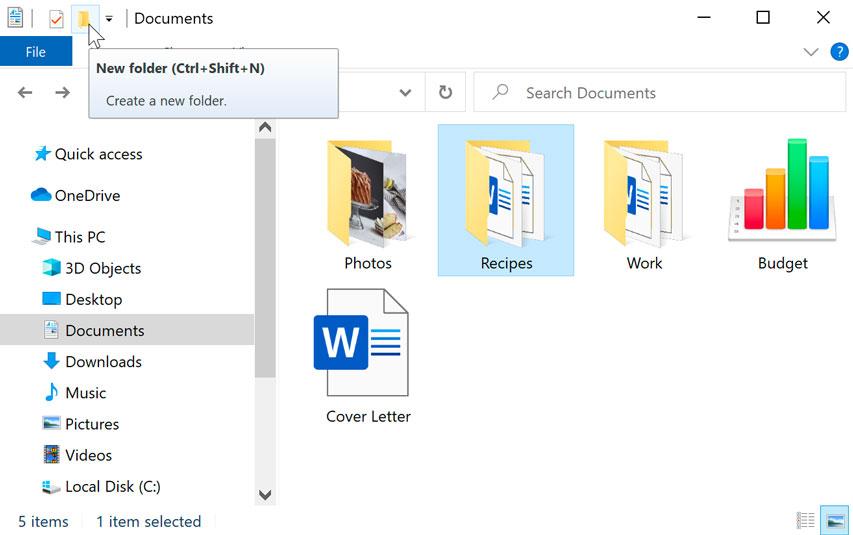
- The new folder volition appear. Type the desired proper name for the folder and press Enter. In our example, nosotros'll call it School Documents.
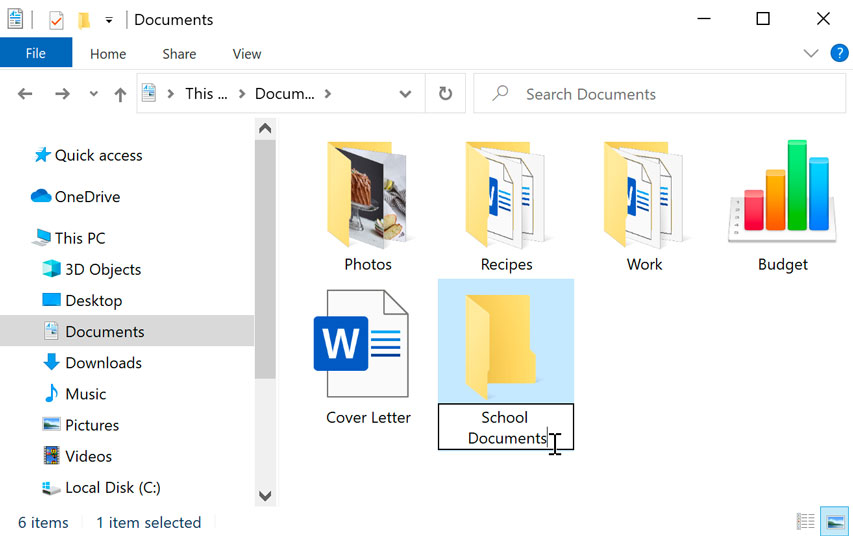
- The new folder volition be created. Yous can now move files into this binder.
To rename a file or folder:
You can change the name of any file or folder. A unique name volition get in easier to call back what type of information is saved in the file or folder.
- Click the file or folder, look about one 2nd, and click once again. An editable text field volition appear.
- Blazon the desired name on your keyboard and printing Enter. The name will be changed.
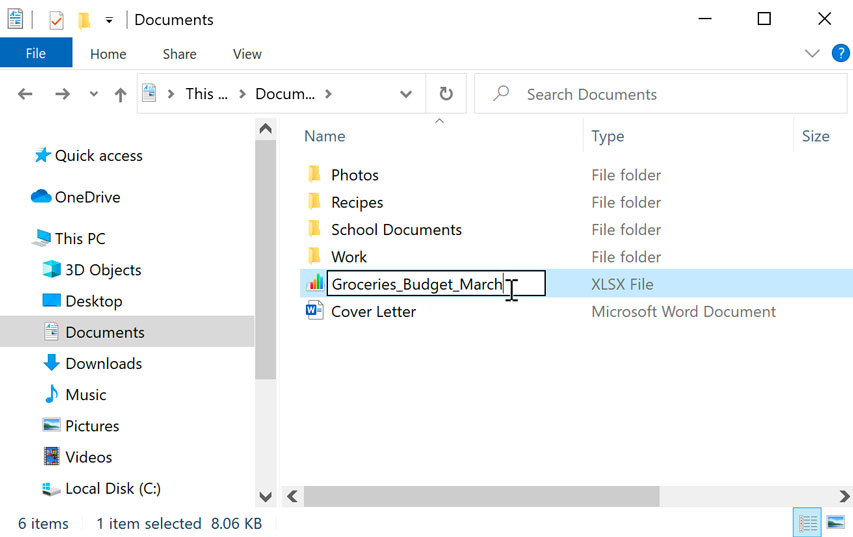
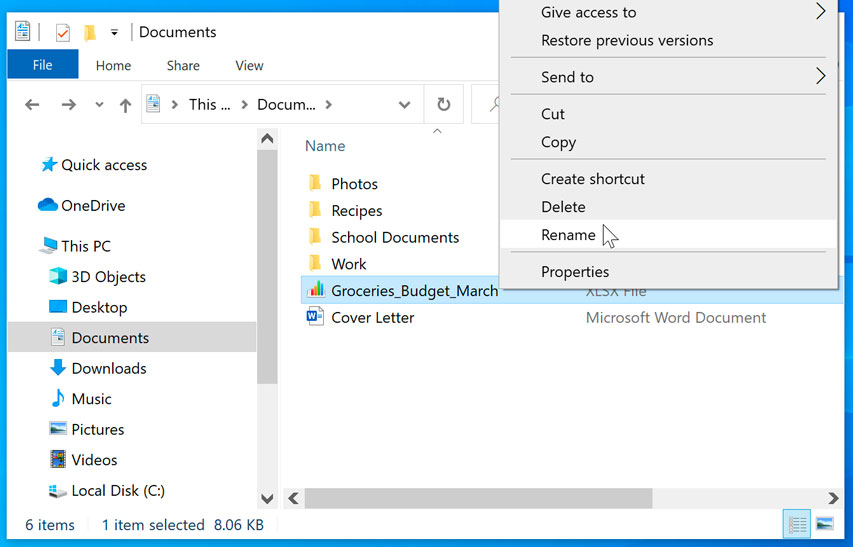
You can also correct-click the folder and select Rename from the menu that appears.
To delete a file or folder:
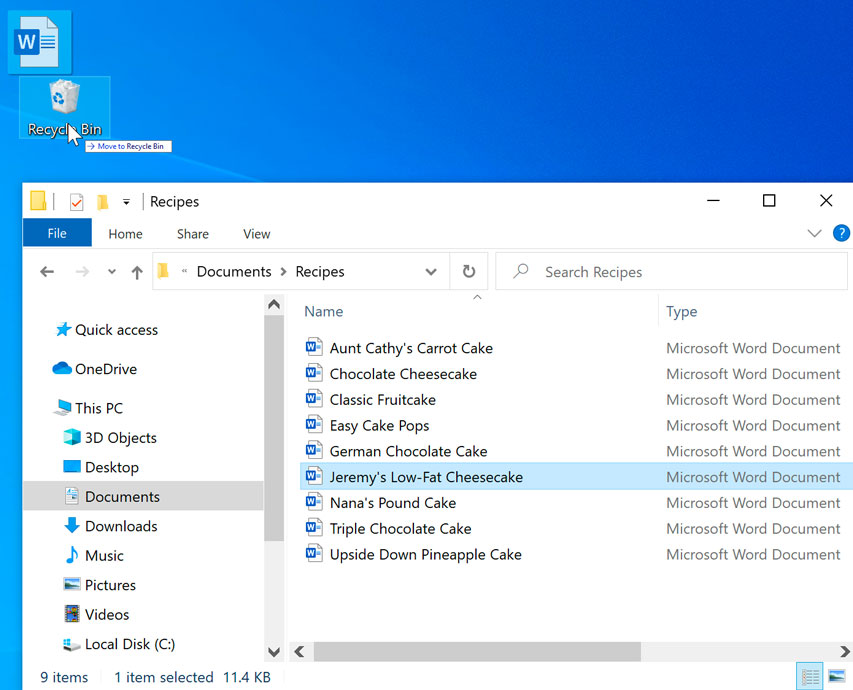
If you no longer need to use a file, you can delete information technology. When you delete a file, information technology is moved to the Recycle Bin. If you change your mind, you tin can movement the file from the Recycle Bin back to its original location. If you lot're sure y'all want to permanently delete the file, you will need to empty the Recycle Bin.
- Click and drag the file to the Recycle Bin icon on the desktop. Yous can also click the file to select it and press the Delete key on your keyboard.
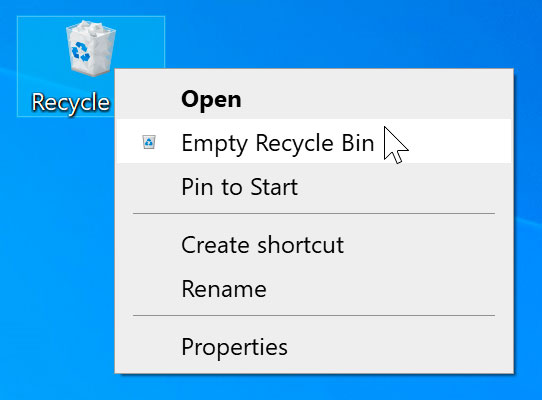
- To permanently delete the file, right-click the Recycle Bin icon and select Empty Recycle Bin. All files in the Recycle Bin will be permanently deleted.
Note that deleting a folder will likewise delete all of the files within that folder.
Selecting multiple files
Now that you know the basics, here are a few tips to help you move your files even faster.
Selecting more than than one file
There are a few ways to select more than one file at a time:
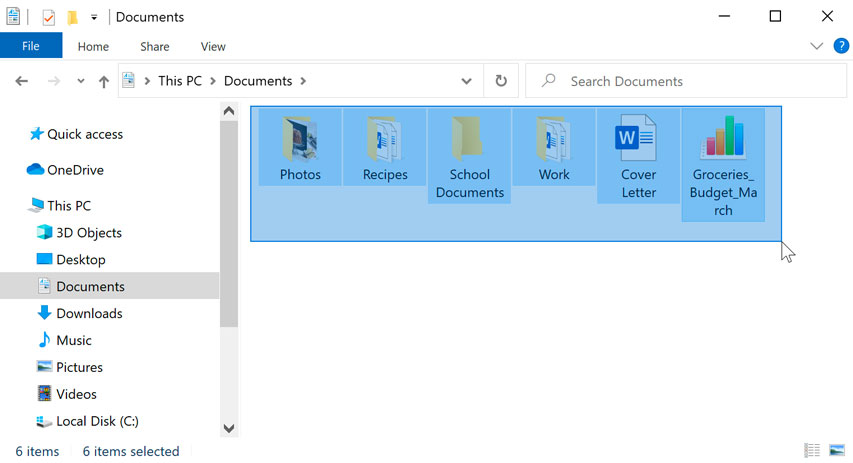
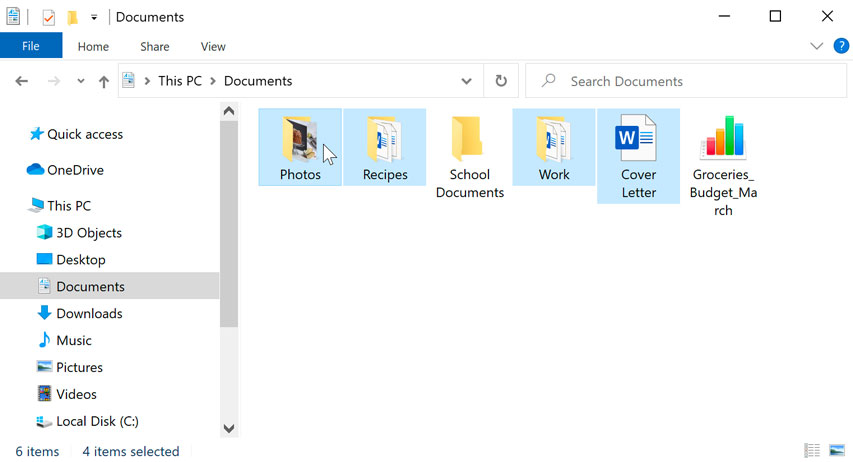
- If you're viewing your files as icons, you can click and elevate the mouse to draw a box around the files y'all want to select. When y'all're washed, release the mouse; the files volition be selected. You tin now move, copy, or delete all of these files at the aforementioned time.
- To select specific files from a binder, printing and agree the Control key on your keyboard, then click the files you want to select.
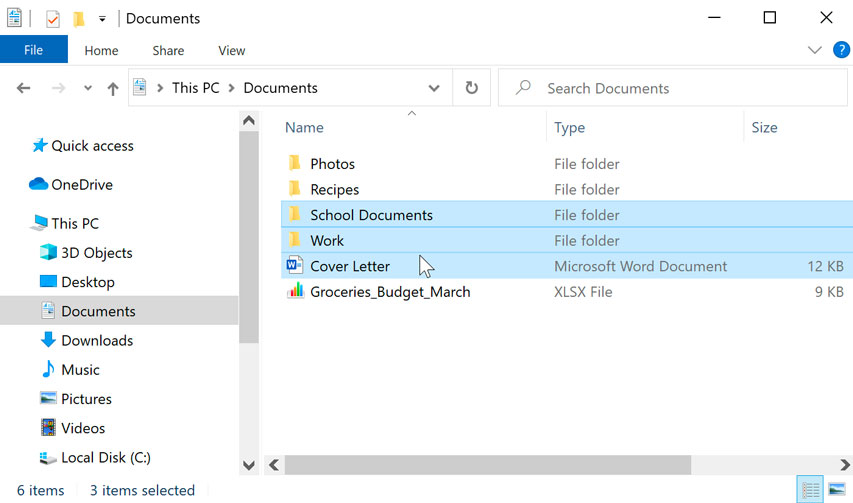
- To select a group of files from a folder, click the first file, press and hold the Shift primal on your keyboard, then click the final file. All of the files betwixt the offset and last ones will exist selected.
Selecting all files
If you want to select all files in a binder at the aforementioned time, open the folder in File Explorer and printing Ctrl+A (press and agree the Control key on your keyboard, then printing A). All of the files in the folder will be selected.
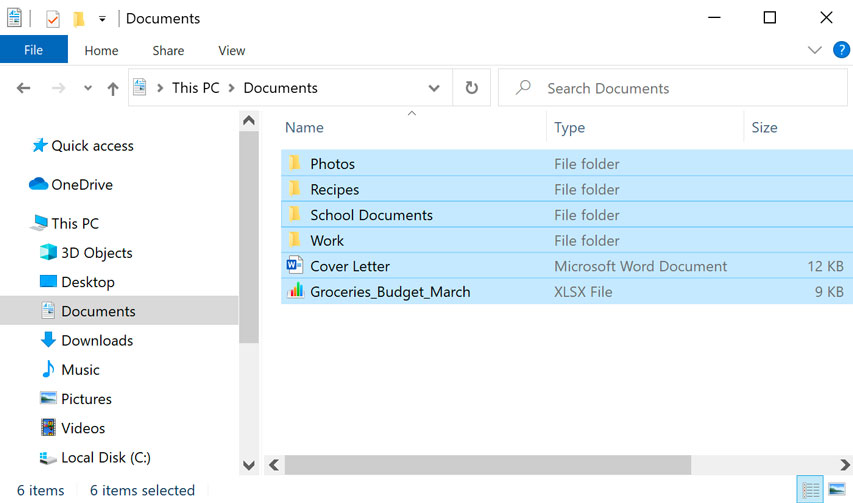
Ctrl+A is an example of a keyboard shortcut. We'll talk more nearly these in our lesson on Keyboard Shortcuts in Windows.
If working with files and folders feels a little tricky right now, don't worry! Like anything else, working with files and folders is largely a thing of do. You'll outset to feel more comfortable as you continue using your computer. In the side by side lesson, we'll talk near some other important concept: how to find files on your figurer that you can't easily locate.
Shortcuts
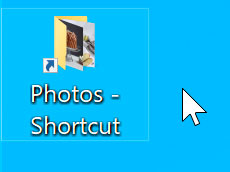
If you take a file or folder yous employ frequently, you can save time past creating a shortcut on the desktop. Instead of navigating to the file or folder each time you desire to apply information technology, you tin merely double-click the shortcut to open information technology. A shortcut will have a small pointer in the lower-left corner of the icon.
Note that creating a shortcut does non create a duplicate re-create of the folder; it's simply a way to admission the folder more than apace. If you delete a shortcut, it volition not delete the bodily folder or the files it contains. Also note that copying a shortcut onto a flash drive volition not work; if you want to bring a file with you, you'll need to navigate to the actual location of the file and copy it to the flash bulldoze.
To create a shortcut:
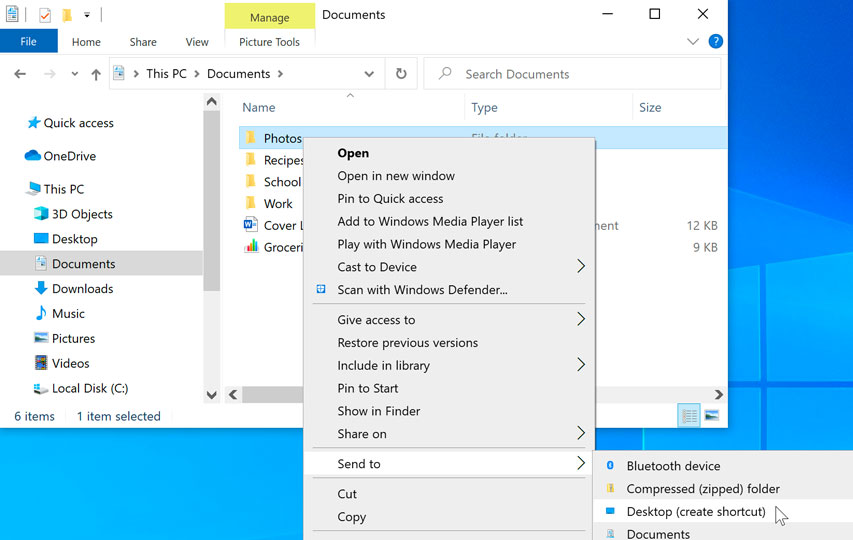
- Locate and correct-click the desired folder, and so select Transport to Desktop (create shortcut).
-
A shortcut to the folder volition announced on the desktop. Notice the pointer in the lower-left corner of the icon. You lot can now double-click the shortcut to open the binder at whatsoever time.
Yous can likewise hold the Alt key on your keyboard, then click and drag the folder to the desktop to create a shortcut.
/en/windowsbasics/finding-files-on-your-computer/content/

What Part Of A File Name Does Windows Use To Know Which Application To Open To Manage The File?,
Source: https://edu.gcfglobal.org/en/windowsbasics/working-with-files/1/
Posted by: comptonwhicily74.blogspot.com
0 Response to "What Part Of A File Name Does Windows Use To Know Which Application To Open To Manage The File?"
Post a Comment